GREENHOUSE AUTOMATIC CONTROL SYSTEMS

SERVICES
We can group the operations that can be performed with automatic control in the areas such as outdoor production, seedling production in greenhouse, vegetable production, flower production and even indoor mushroom production as follows:
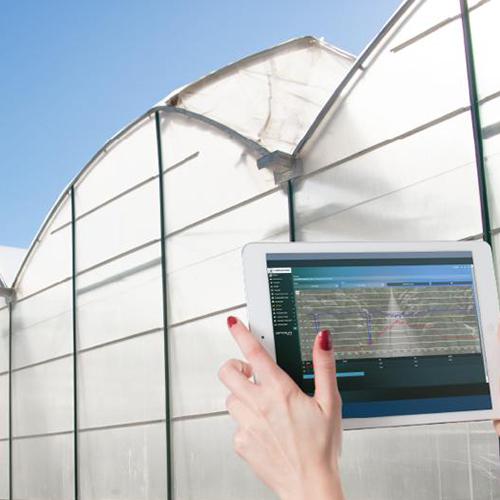
Greenhouse climate control systems (although usually referred to using the word "automation", automation is a very general comprehensive concept).
Irrigation fertilization systems.
Energy management systems.
Seed sowing machines, irrigation apparatus, spraying apparatus.
Grading and classification systems; packaging systems.
It is useful to examine these systems one by one in a little more detail.
Climate Control Automation:
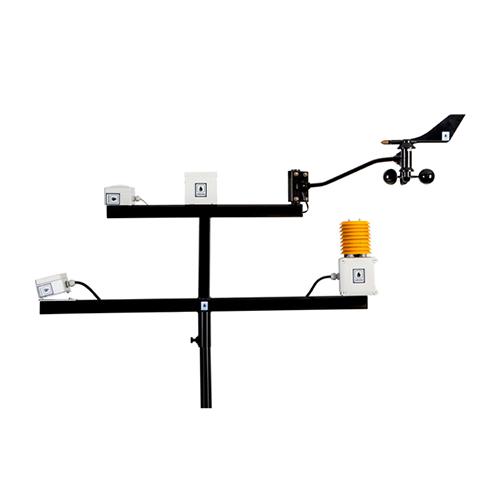
The basic principle of greenhouses is to be able to keep the conditions of the environment in which the plants will grow completely under control and to obtain a growing environment as independent as possible from external factors.
First of all, the greenhouse itself is involved in taking production under protective cover. But just getting it under cover doesn't mean that the climate we want inside will be created. For example, on a sunny day the interior side may get warm more than desired whereas at clear and windless nights, it may get cool inside more than desired.
For an accurate climate control, at least the following elements may be involved:
Keeping the greenhouse interior volume as large as possible will facilitate a healthy climate control, allowing plants to feel “like they are in open space.â€
Correct and automatic ventilation to compensate for rising temperatures.
Proper heating to balance falling temperatures or rising humidity rates.
Control of automatic screening system to save energy in cold weather.
Automatic shading screen control to prevent the radiation level from rising to undesired levels and super-heating the greenhouse.
For cooling purposes, sprinkler, fogging, cellular cooling systems can be listed. Control of them should be done automatically and interact with other factors.
It can be automatically ensured that the yield of plants is improved via better photosynthesis by means of CO2 dosing. As a CO2 source, bulk CO2 as well as the flue gases of heating boilers can be used. In this way, free CO2 will be provided and the CO2 footprint of the business will be smaller in terms of the environment.
The list of artificial lighting and assimilation systems, blackout screens and other similar automatic control elements is ever-lengthening.
Irrigation and fertilization automation:
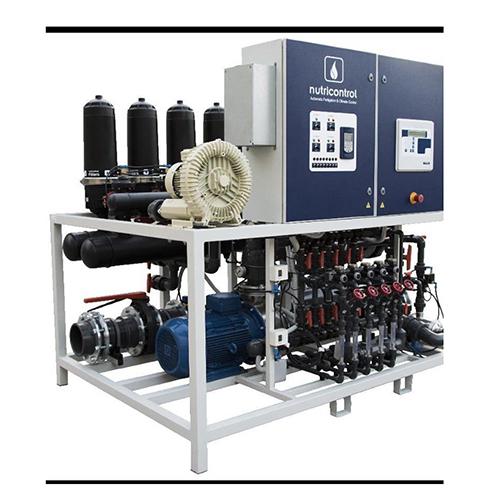
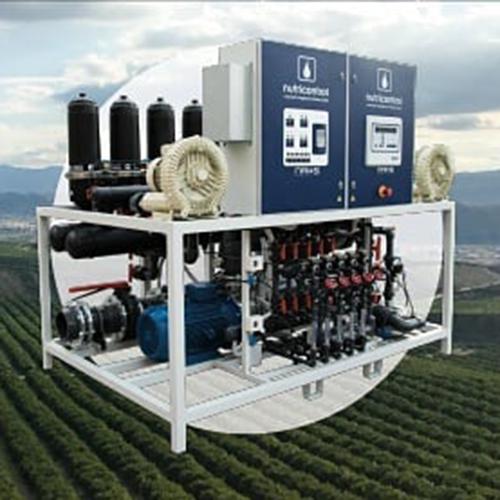
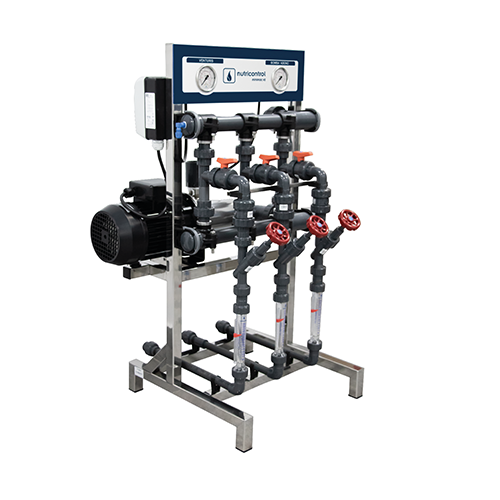
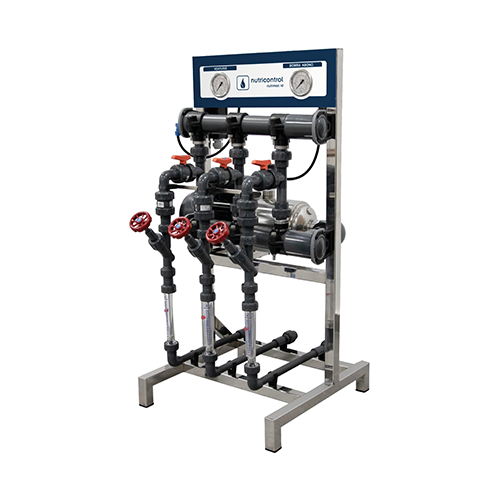
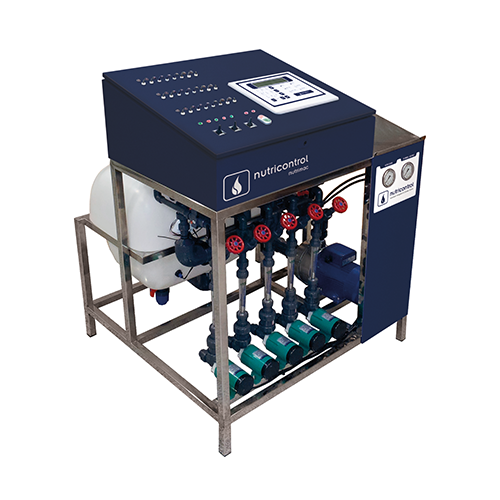
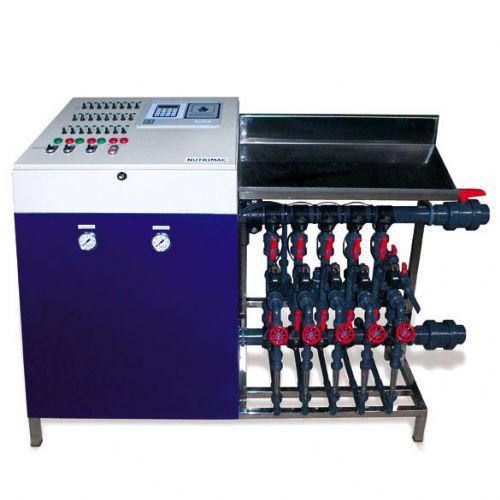
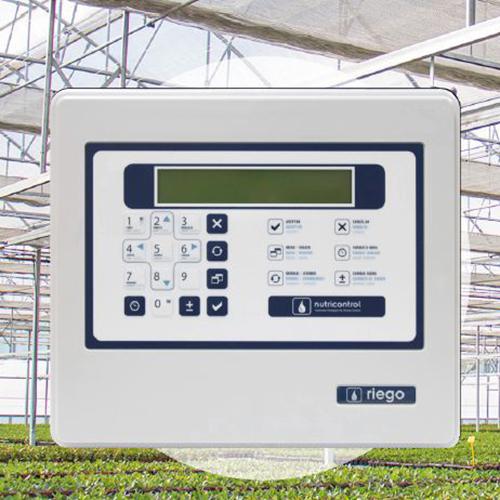
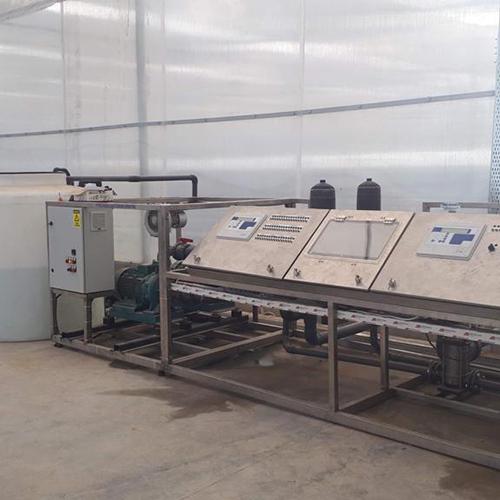
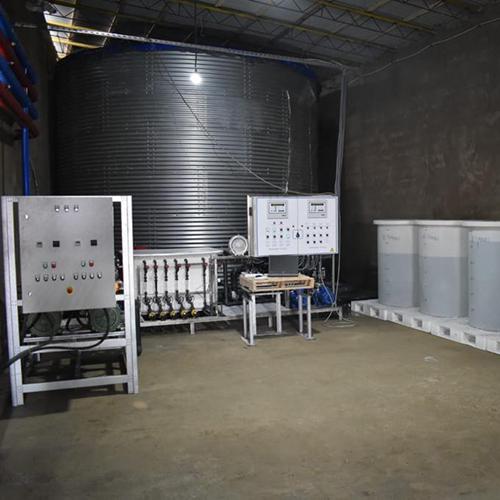
It is ensured by computer control that fertilizer is injected to irrigation water precisely and accurately, and that pH balance is kept under control and at optimal values via the required acid dosing.
In order to start irrigation, algorithms close to the expert's decision are used and correct production methods are applied (manual starting, starting with time interval, starting according to drainage results, starting according to radiation accumulation etc.). For this purpose, different programs are written every day, and by putting them into practice, healthier production is possible.
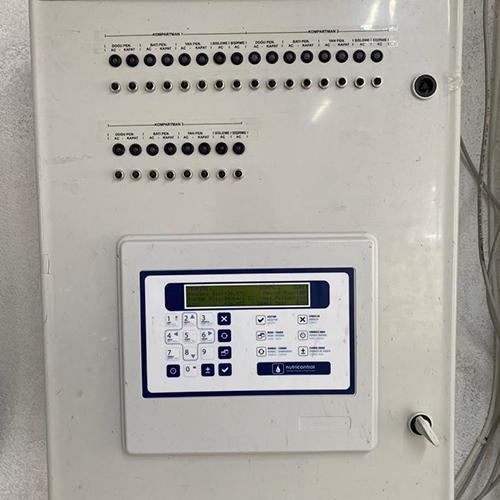
It is ensured that the valves are opened and closed automatically in the irrigation of the parcels and the desired amount of irrigation water can be given automatically.
According to the drainage results, the amount and fertilizer density (EC) values of the next irrigation water can be controlled automatically.