IRRIGATION SYSTEMS
SERVICES
1-Irrigation in Agriculture:
Irrigation in agriculture is the supply of water, which is needed by plants and cannot be provided by precipitation, to the root zone of plants in soil at the required time and place. The principle of irrigation is that the water brought up to the head of the cropland should uniformly be spread across the whole cropland with minimal loss. There are many systems for irrigation. The selection of one of these systems for irrigation depends on the proper levelling of the cropland, the type of crop grown, the chemical and physical properties of the soil, the amount and quality of the irrigation water, the habits of farmers, the economic situation of the farmers there and the climate conditions such as wind, temperature, proportional humidity, rainfall due to some irrigation methods requiring additional investments. Although all irrigation systems can be applied on levelled lands, a drip irrigation or furrow irrigation system should be preferred instead of sprinkler irrigation system in a region with strong prevailing wind.
2. Surface Irrigation Methods:
Flooding method: it is the release of water from the channels of the head of the cropland to spread randomly over the cropland. It is the method with the lowest efficiency. It is not possible to irrigate all sides of the cropland equally with this method. Although its area of use should be very limited in our country, it is preferred to avoid labour in the regions where irrigation culture is low.
Long border irrigation method: it is often used for frequently-planted cereals, clover, herbs and similar plants. Levelled fields are separated by banks parallel to each other. The irrigation water diverted from the head of cropland is spread between two banks and the flow of water to the end of cropland is provided.
Ordinary border (ponding) irrigation method: It is applied for irrigation of fine-textured soil where the slope of field is flat and almost flat. This method is used for irrigating the thick-sown plants especially paddy and orchards.
Furrow irrigation method: It is giving irrigation water to furrows opened in line with the slope between the plant rows and it is suitable for corn, sunflowers, cotton, fruits and vegetables planted in rows.
3. Sprinkler Irrigation Method:
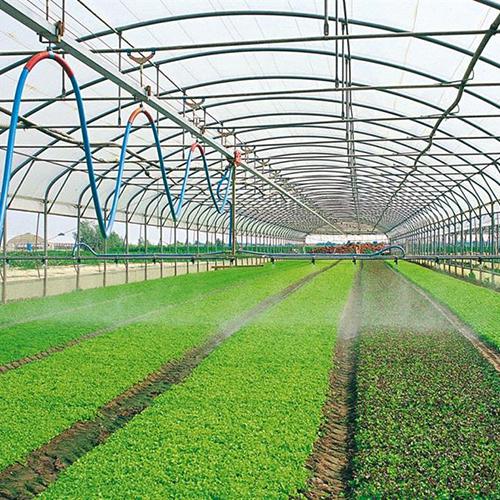
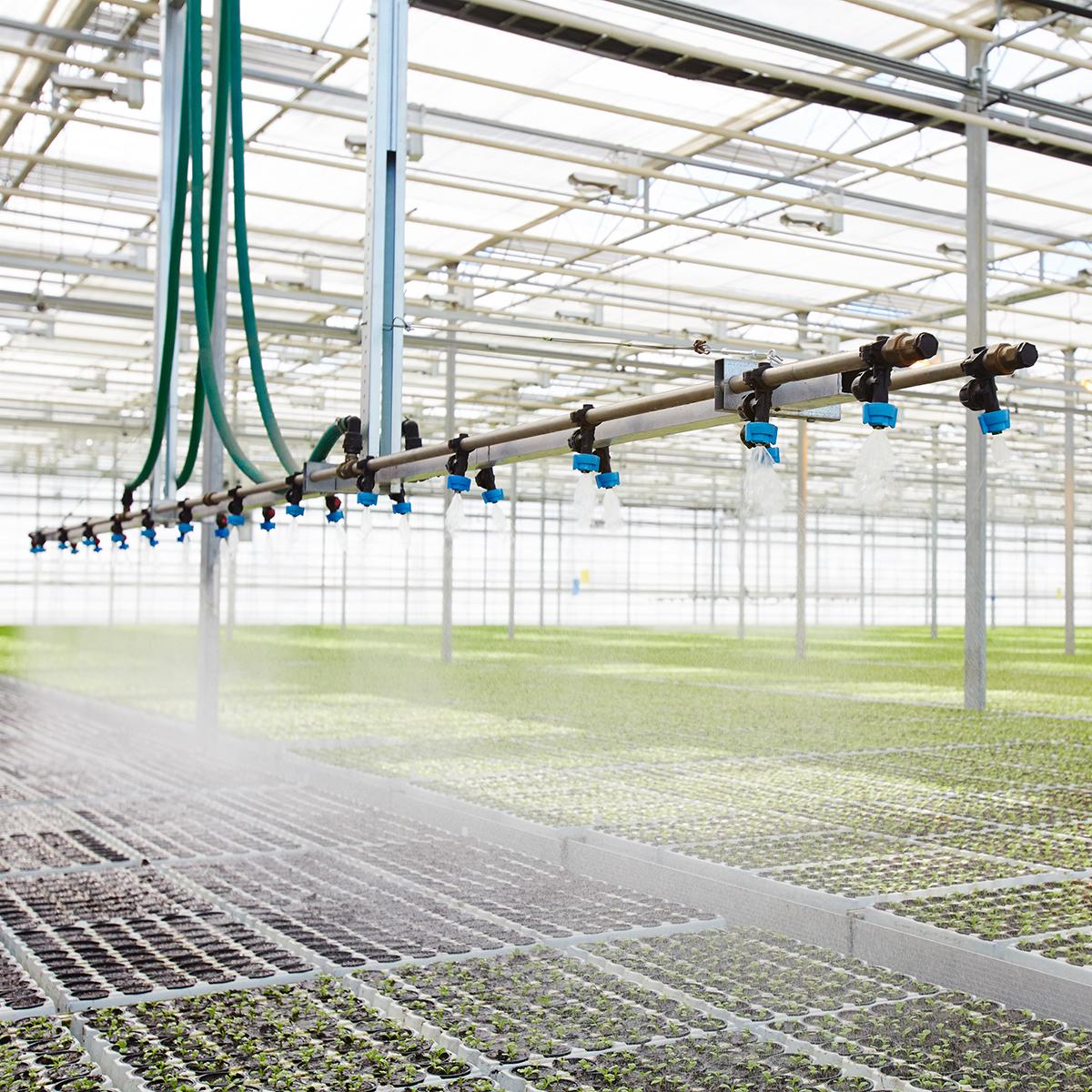
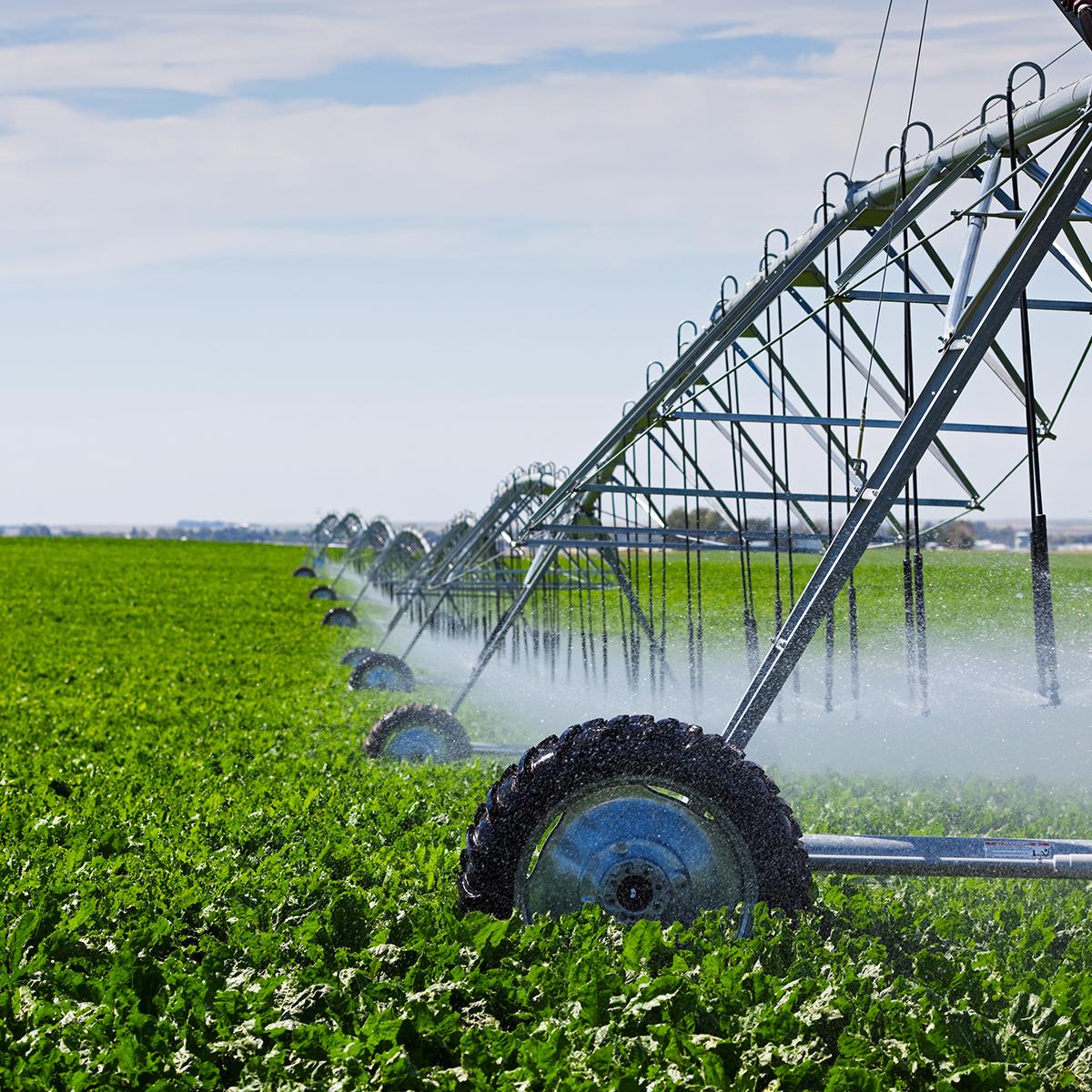
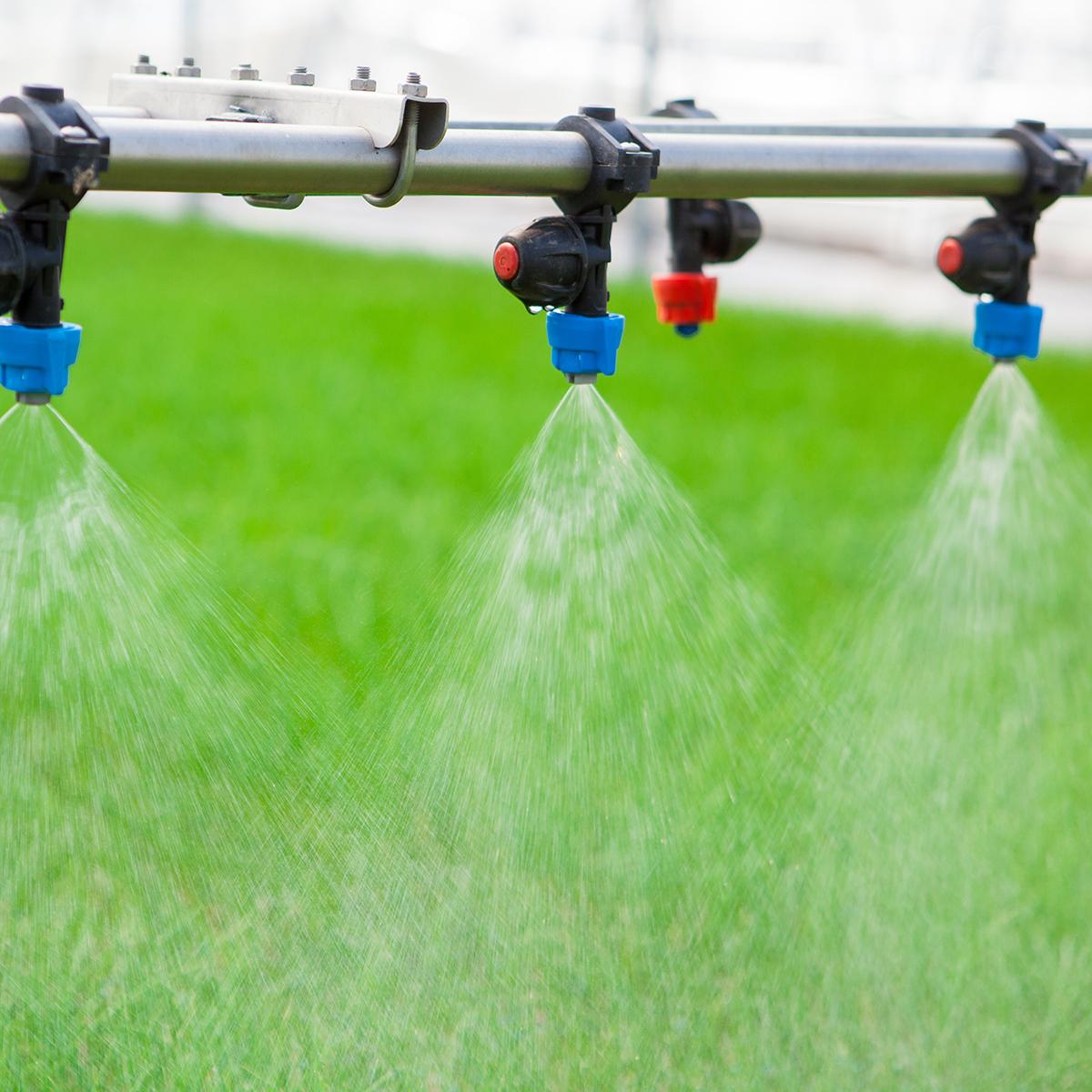
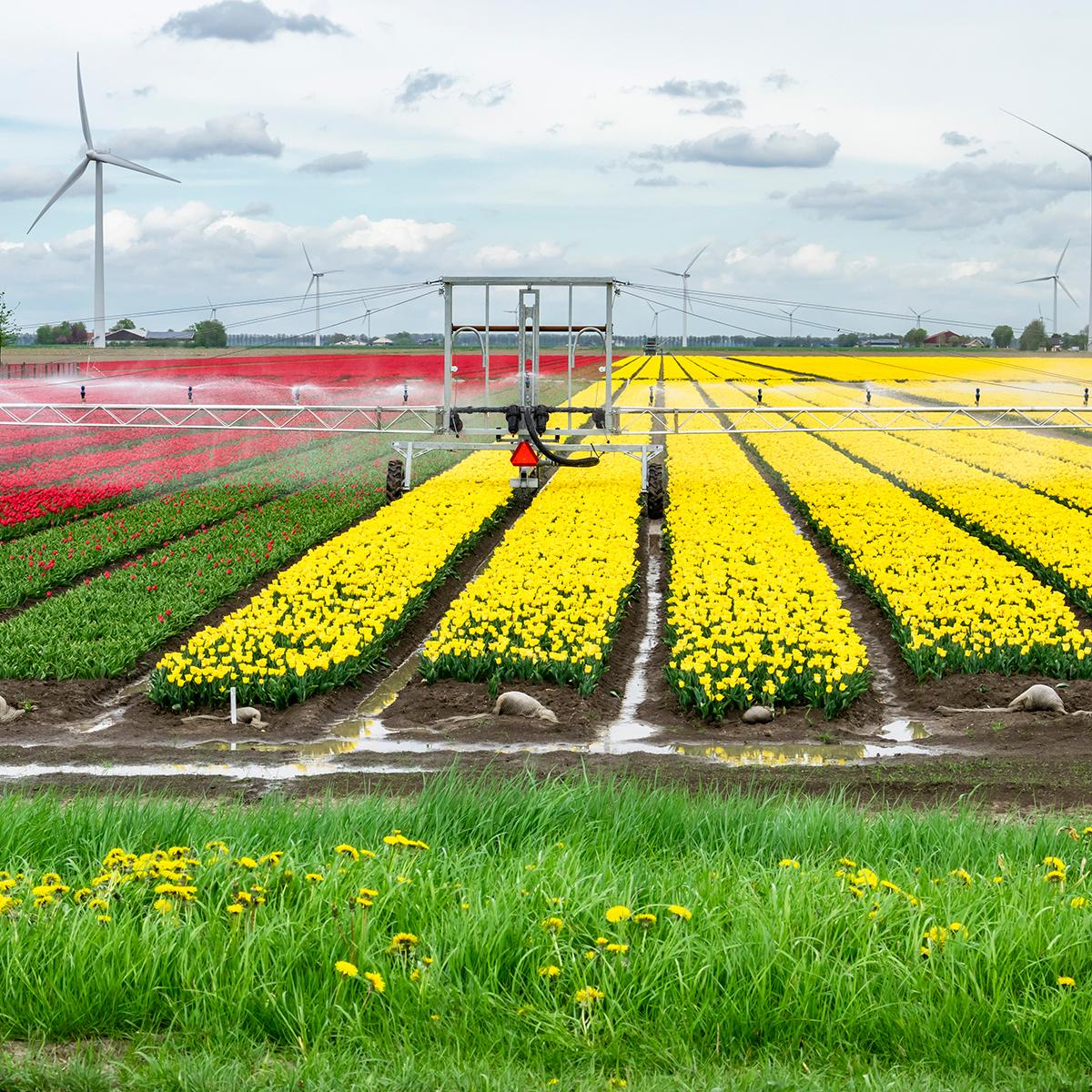
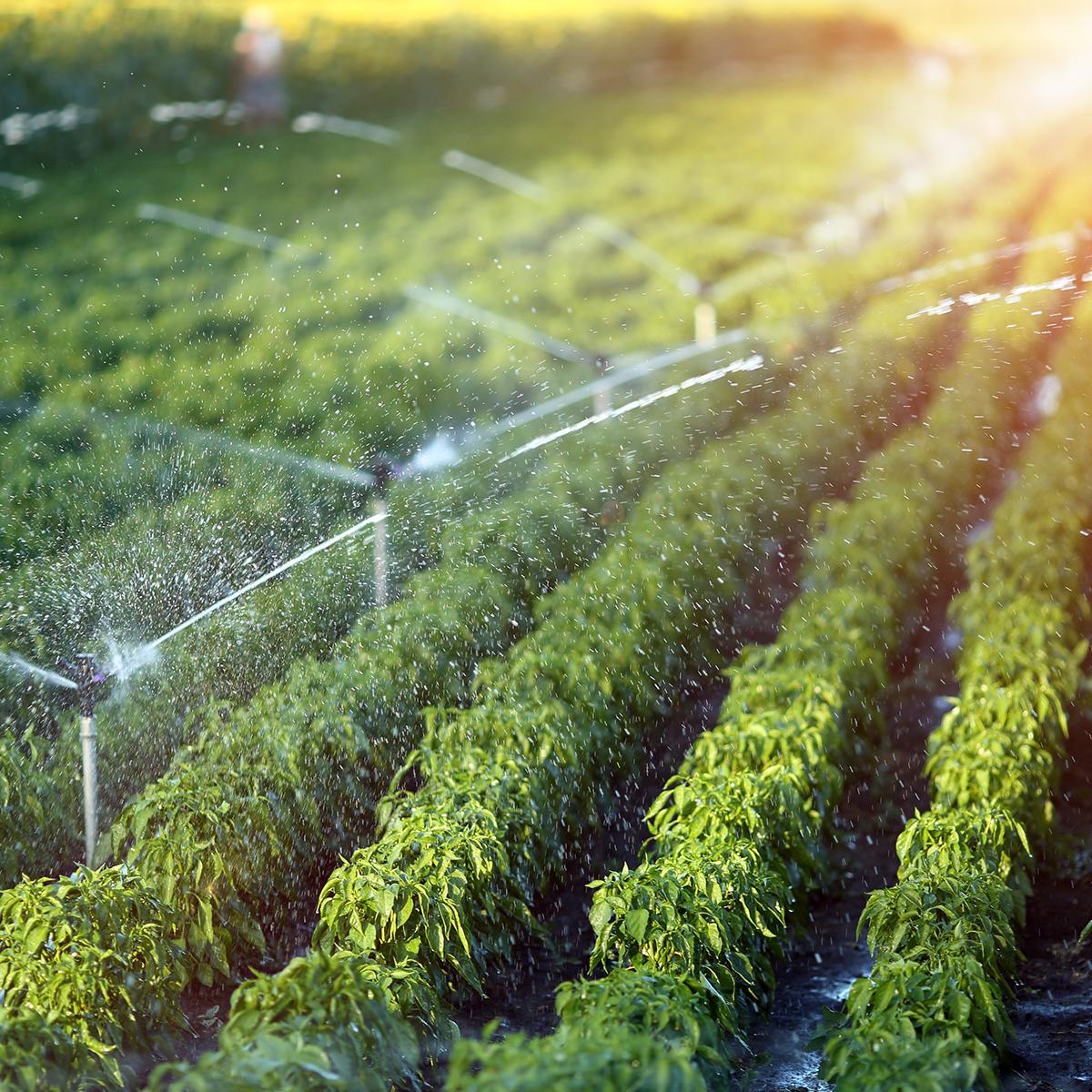
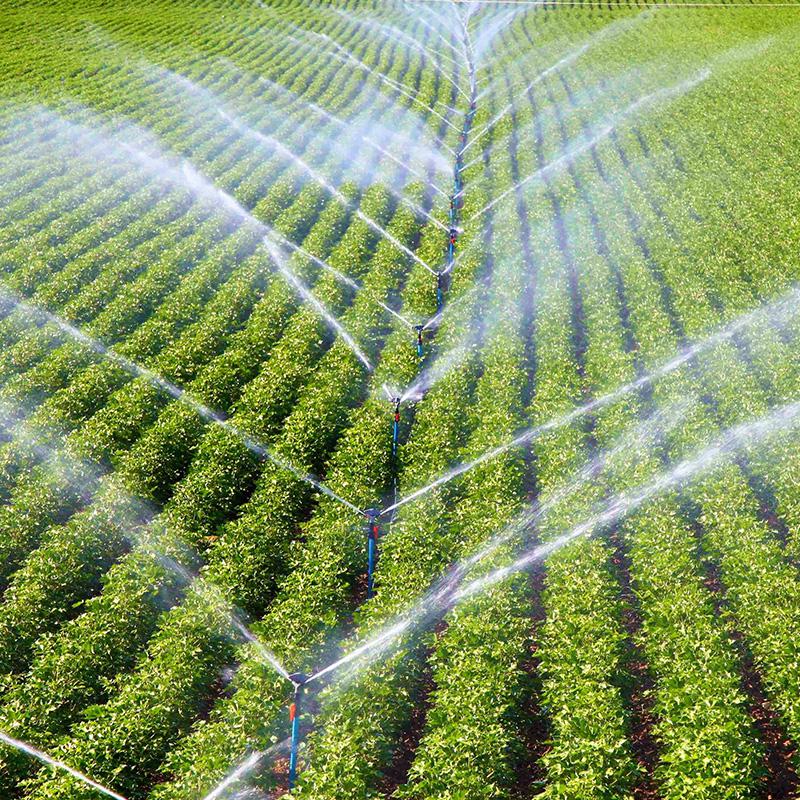
In the sprinkler irrigation method, water is applied by sprinkling on the soil surface in a similar way with natural rainfall. In this method, water is carried up to the mechanical sprayers by covered pipes, and pouring of water onto soil from the sprayers is ensured under pressure with small orifices and nozzles. The pressure required to operate the system is usually supplied by pumps. It is suitable for rough terrain.
4. Mini-spring method:
This is a method in between sprinkler irrigation and drip irrigation, and the water distributed to the cropland with thin pipes is distributed to the field with small sprinkler heads. It is not a fixed system, it can be removed when needed. It is suitable for rough terrains and under-tree zones in orchards.
5. Sub-irrigation method:
Sub-irrigation can be defined as adjustment of the ground water level by adding water to the underground by artificial means. In this method, the water level is maintained at a height that will ensure the best combined amount of water and air in the root zone.
6. Drip Irrigation Method:
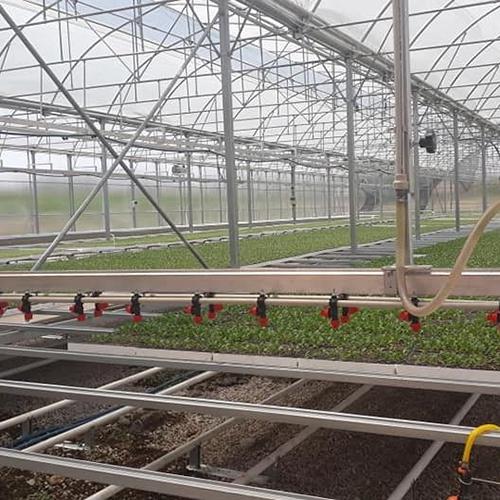
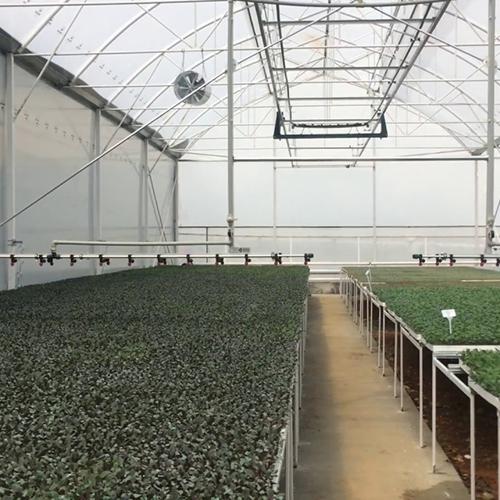
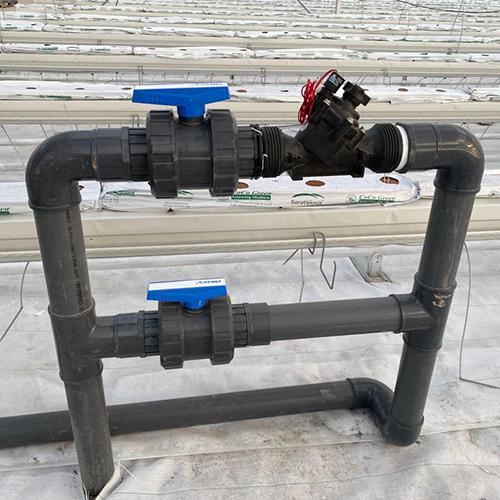
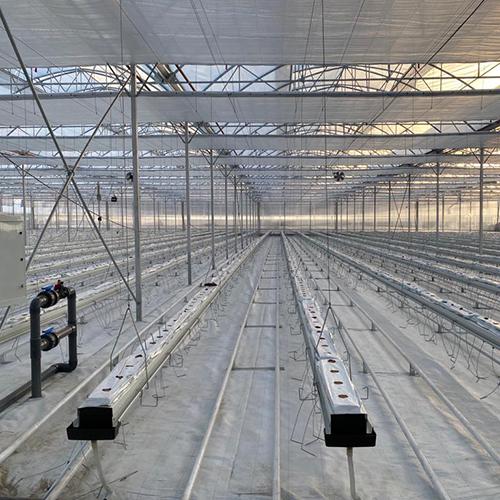
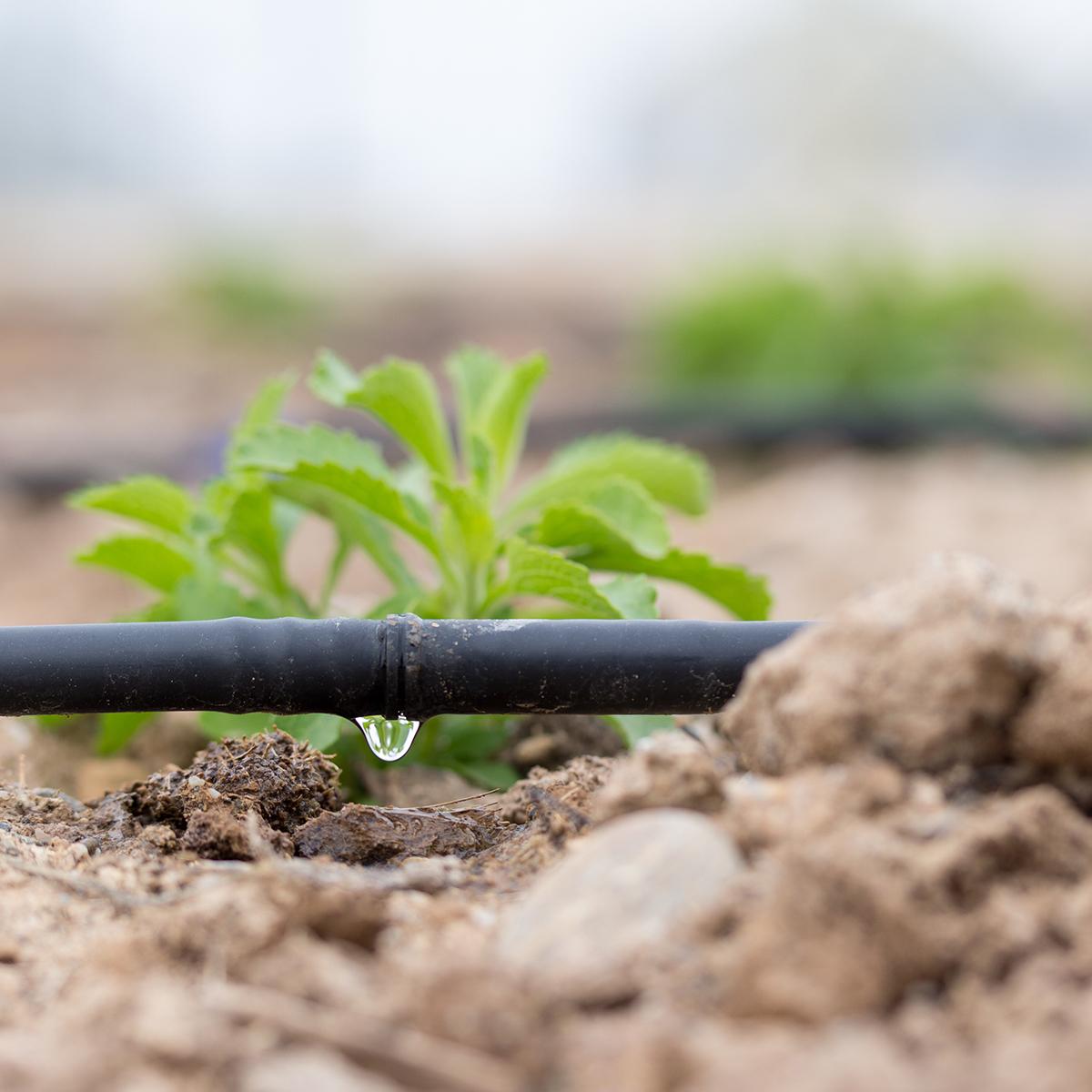
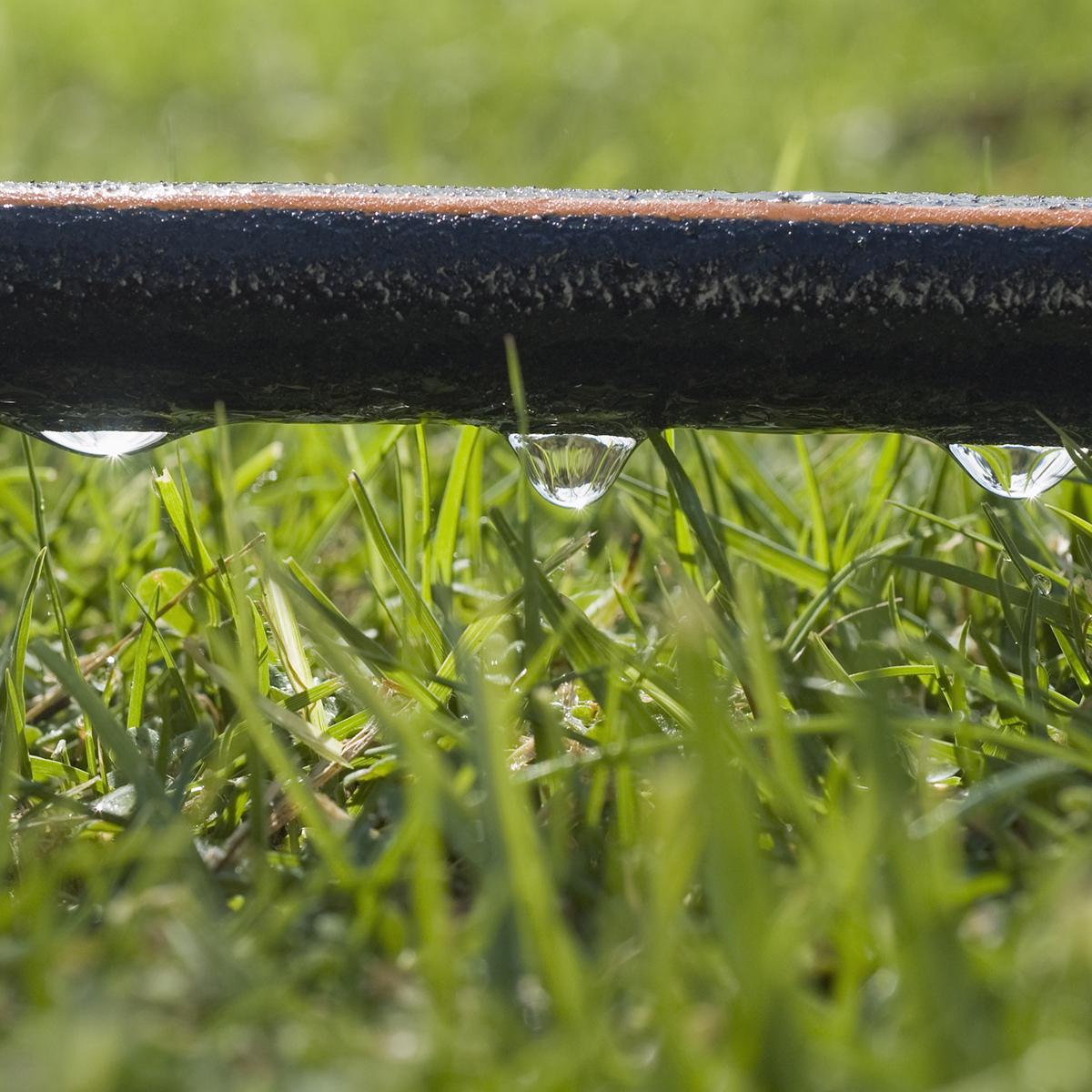
Drip irrigation is a method that has been developed for use in intensive irrigated agriculture. Drip irrigation is a system that delivers the treated water onto or into the soil surface with the help of small-diameter orifices placed on the soil surface or just below the surface. This system allows water to be given to a specified pattern under low pressure. In this system, water is carried up to every plant via a wide network of pipes. On the other hand, fertilizers to be injected to plants can also be given with irrigation water (fertigation). In short, the basis of the system is to keep the amount of water and nutrients needed by the plant at an optimum level. This method is the most widely used in greenhouse, fruit and vegetable gardens and provides economical water use. MAY YOUR CROPS AND EARNINGS BE ABUNDANT!