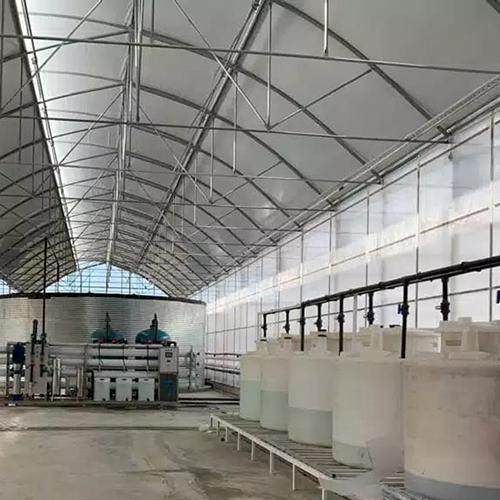
OSMOSIS SYSTEM
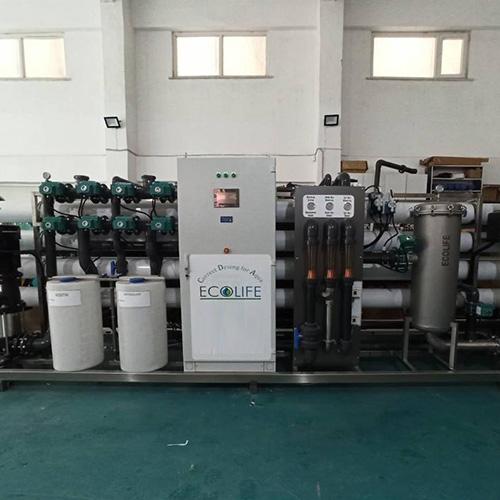
SERVICES
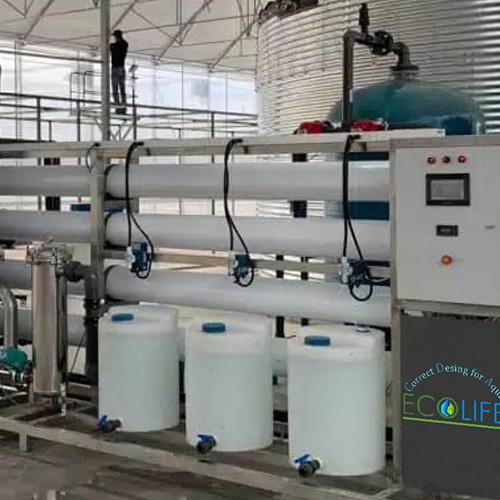
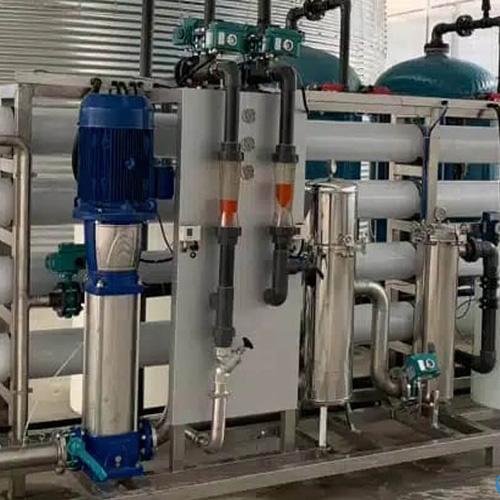
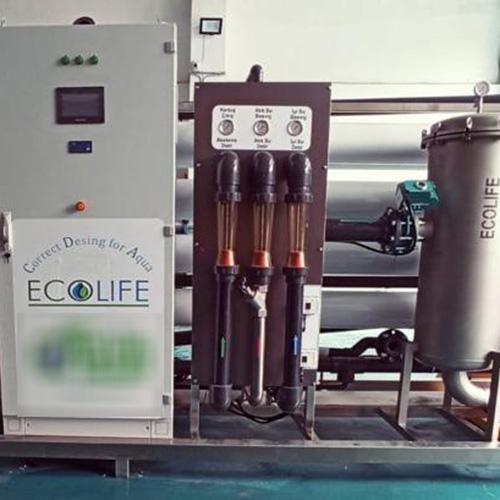
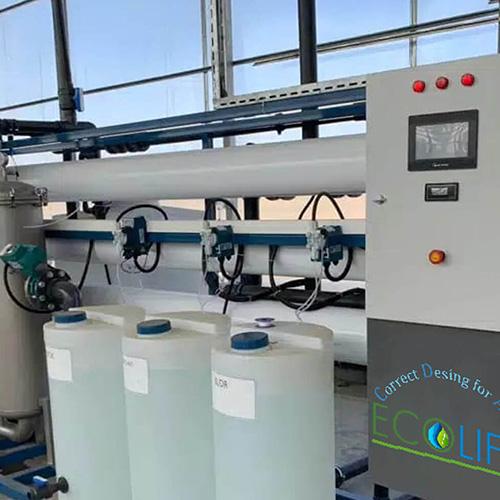
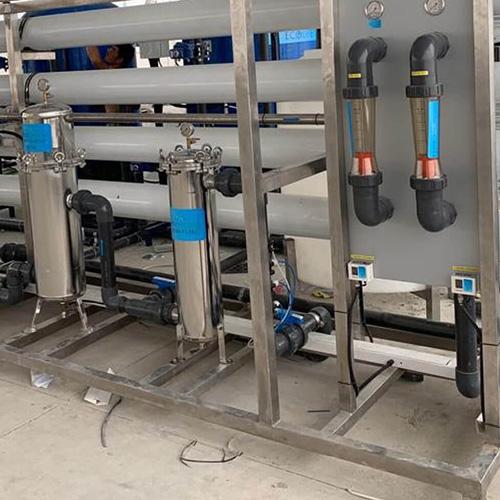
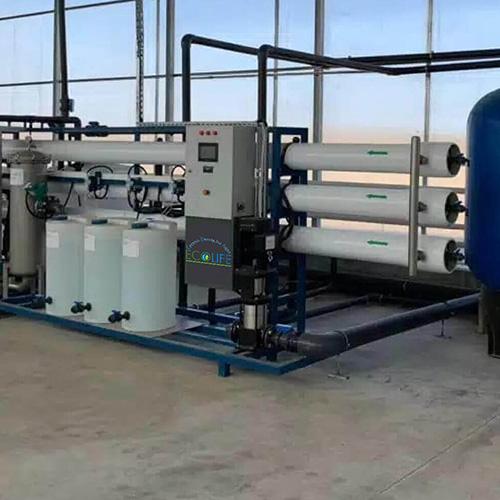
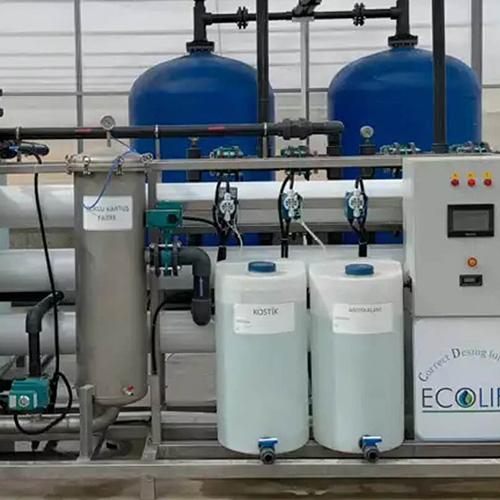
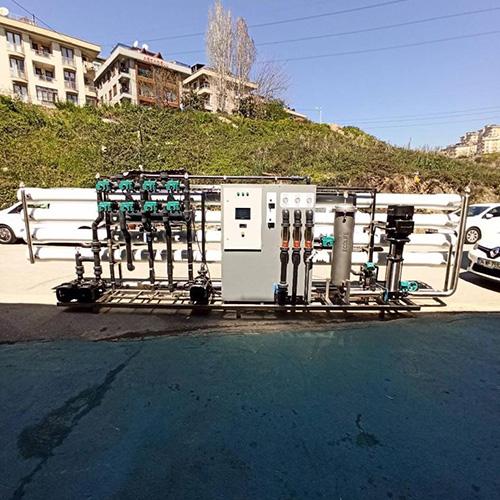
Reverse osmosis is a water membrane technology used for water treatment with two basic stages. In the first stage, the water to be treated is cleared of sediment, particles, lime and microbes by passing through various filters. Thus, the pollution load on the membranes, which are the main equipment of the system, is alleviated. In the second stage, water is pumped to high pressures and then passed to semi-permeable membranes with decomposing membranes. Due to the principle of cross flow in membranes, all impurities including salt, heavy metal, bacteria, sediment, dissolved ions in water are treated by a ratio between 99.8% and 95%. Treatment and cleaning are used in different ways. The treated water may contain different properties as it is produced for drinking or industrial use. For example, the reverse osmosis machines designed for the purpose of producing drinking water produce water with a conductivity of about 80µ, while this value in industry models may be well below 1µ. Thanks to RO, the water having suitable quality can be produced for drinking, industrial, agricultural water and mains water.
Reverse Osmosis, Reverse osmosis water treatment systems operate diagonally and ensure re-use of the non-usable water by enabling to separate gradually, from water, all other ions, molecules and unwanted minerals through which only water can pass.